
What I'm already reading before I reach your door
Most people assume an emergency response starts at the front door. It doesn't. It starts at the end of your driveway.
The moment a unit turns onto your street, we're already gathering information. And what we find, or don't find, in those first few seconds affects everything that happens next.
Your address numbers. This sounds basic. It isn't. I've been on calls where we wasted time circling a block because the house numbers were small, faded, or obscured by a bush. If emergency services can't find you fast, the size of your address numbers becomes a life-safety issue. They should be large, clearly visible from the street in both directions, and in a color that contrasts with whatever they're mounted on. This matters at 2 a.m. It matters in a snowstorm.
The driveway and approach. Can an ambulance or fire apparatus get in? Is there room to maneuver? We're not working with small vehicles. I'm thinking about whether we can get close enough to make the carry manageable, because once we have someone on a stretcher or a stairchair, every extra foot of distance matters. Mud, ice, and snow change the equation entirely. A path that's manageable in July can be a serious problem in February when we're pushing a loaded stretcher through six inches of snow.
The approach to the door. Is there a clear, stable path from where we park to your front entrance? Uneven pavers, garden hoses left out, and untreated ice slow us down and create hazards for both the crew and the patient.
Access. This one matters more than most people realize. Does someone have a way in if you can't come to the door? A lockbox with a code on file with dispatch, a key with a trusted neighbor, a door code your family knows, any of these can make the difference between reaching you quickly or waiting for a forced entry. I've seen both. I know which one I'd want for my own family. Separately, if you have medical history, medications, or special needs that dispatch should know about, there are programs in most communities that let you put that information on file. It's worth asking your local fire department about.
What I see the moment I step inside
The door itself is the first thing I register. Will it open all the way? A door blocked by furniture, a coat rack, or a pile of shoes becomes a problem when we're maneuvering a stretcher with a wide turning radius. Long boards, limited clearance, sharp corners in an entryway, I'm mapping the geometry before I've said two words.
Then I'm reading the house.
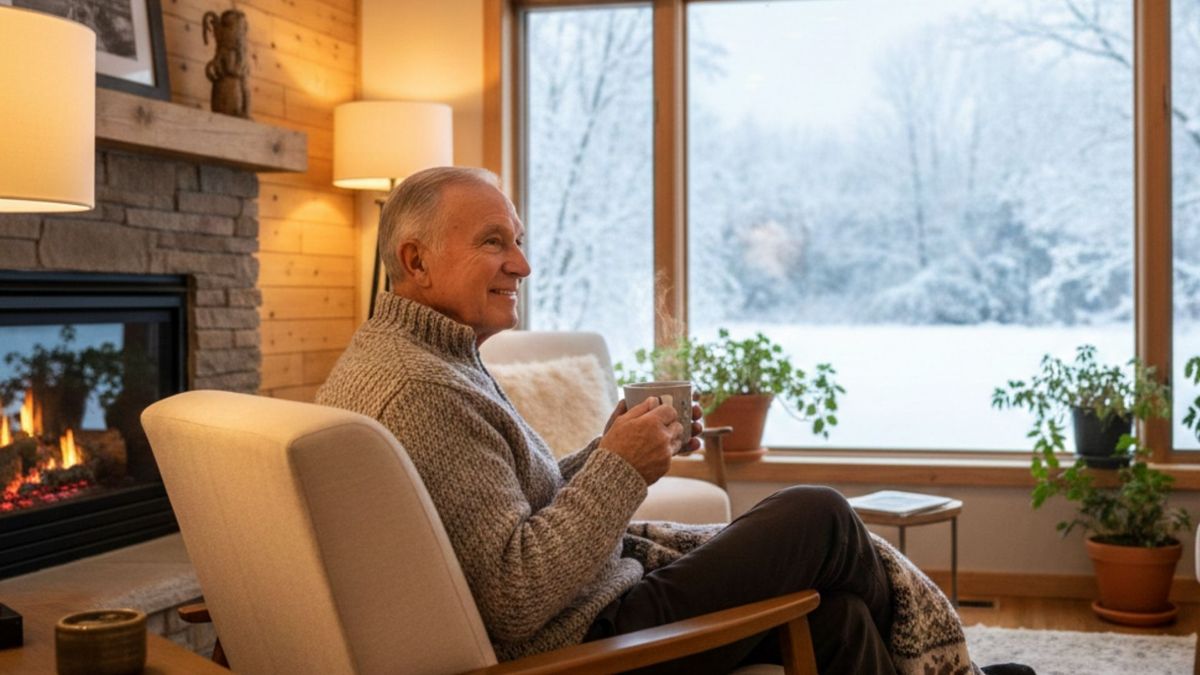
Temperature. Is it reasonable for the weather outside? A home that's too cold in winter or dangerously warm in summer is something I note immediately, not just as a safety concern, but as a signal about how the person is doing overall.
Housekeeping and organization. I'm not there to judge. But a home that's reasonably organized and maintained tells me a lot about a person's functional capacity and overall well-being. Cluttered pathways are both a fall risk and an egress risk during an emergency.
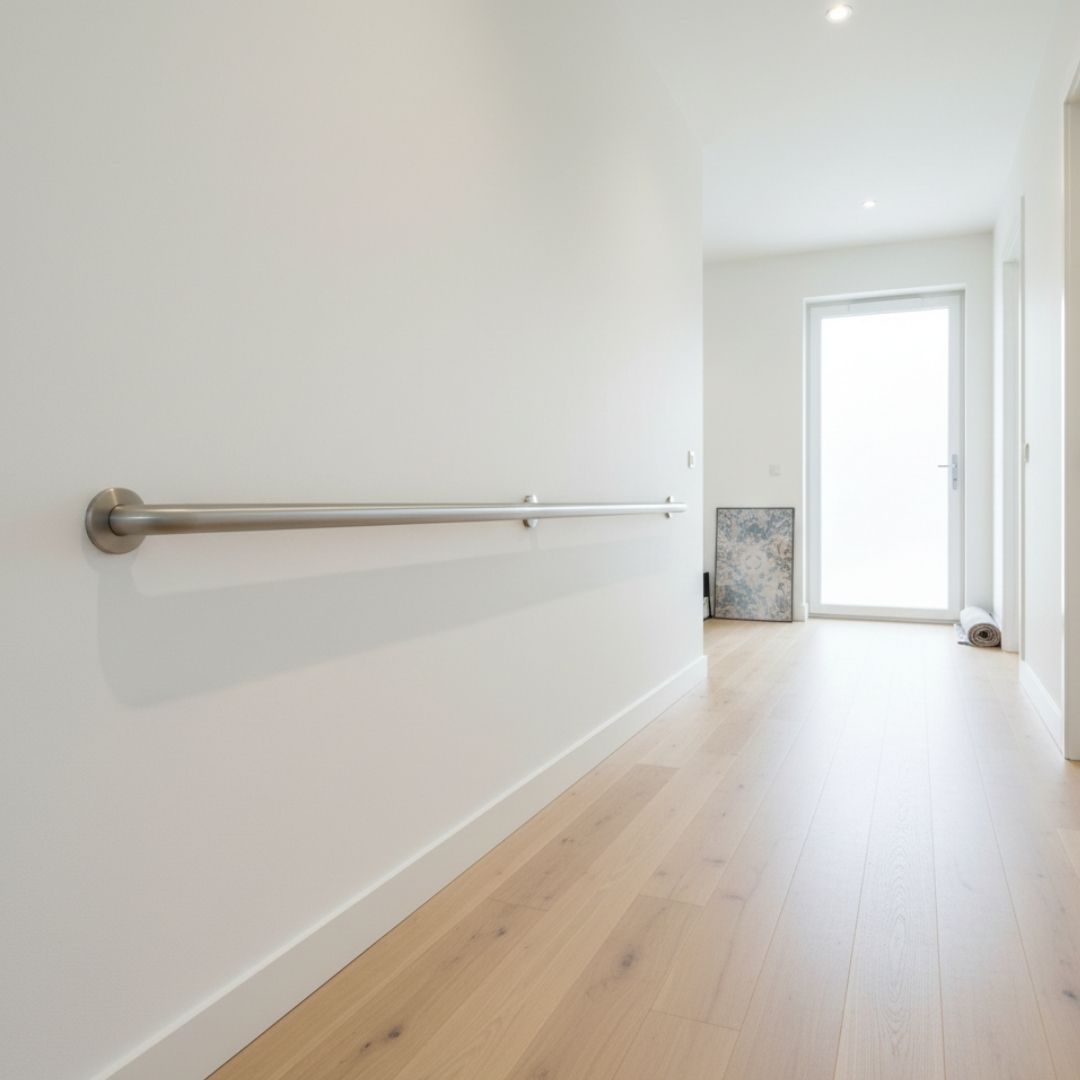
The stairs. Interior stairways are one of the most important features in any home where someone is aging in place. Are they wide enough to work with? Is there a solid handrail? Is the lighting adequate? Narrow stairs with a single rail aren't just uncomfortable for a crew; they're dangerous. They can make certain types of patient movement extremely difficult.
The pets. I'm an animal person, so I say this with no judgment. Well-cared-for pets are part of what I observe. It's not about the pets themselves. It's about what their condition tells me, and whether they'll be safe and managed if we need to work quickly in a tight space.
All of this happens fast. Most of it happens without me saying a word. It's pattern recognition built over nearly twenty years of walking into people's homes under pressure.
Smoke detectors, this isn't just a best practice; it's the law
In Wisconsin, smoke detector requirements in residential properties aren't optional. They're codified in state statute. Under Wisconsin law, the owner of a dwelling is required to install a functional smoke detector in the basement and on each floor level, except the attic or storage area. For multifamily residential buildings, the law also requires a detector at the head of any stairway on each floor level, and in each sleeping area or within 6 feet of each sleeping area, but not in the kitchen.
That last part matters. A detector installed directly in or above a kitchen will nuisance-trip constantly, and when people get tired of the false alarms, they pull the battery. I've seen it. The code accounts for this by requiring kitchen-adjacent placement, not kitchen placement.
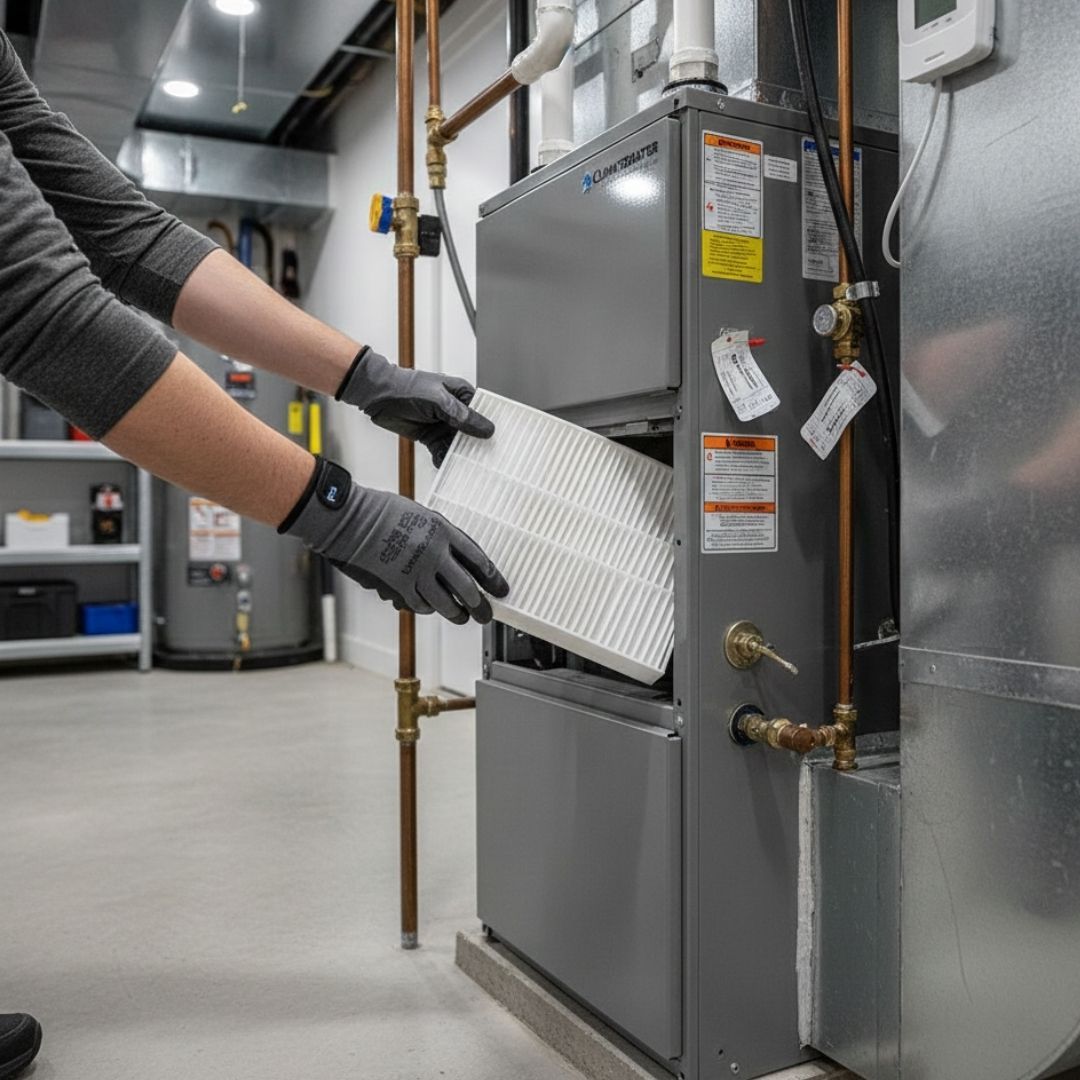
When I walk through a home, I'm checking all of it, the basement, every floor level, every sleeping area. I'm also looking at the detectors themselves. Smoke detectors have a manufacturer-rated service life of typically 10 years. If yours were installed when you moved in and you haven't thought about them since, there's a good chance they're overdue, regardless of whether the test button still chirps.
What I find most often isn't the absence of detectors. It's detectors in the wrong locations, missing batteries, or units well past their useful life. All of that is addressable, but only if someone looks.

Carbon monoxide, required by law when you have fuel-burning appliances
Wisconsin law requires a functional carbon monoxide detector in the basement and on each floor level, except the attic, garage, or storage areas, in dwellings that have an attached garage, a fireplace, or any fuel-burning appliance. The requirement does not apply to a dwelling that, when originally constructed, had none of those things.
In practical terms, if you have a gas furnace, gas water heater, gas range, fireplace, or an attached garage, you are required by Wisconsin law to have CO detectors. That covers the overwhelming majority of homes in this area.
The basement is the critical location. It's where most fuel-burning appliances live, and where CO is most likely to accumulate first. From there, a detector on each habitable floor level ensures coverage throughout the home.
CO is colorless, odorless, and tasteless. As a paramedic, I can tell you that the symptoms, headache, fatigue, nausea, and confusion, are easy to attribute to almost anything else. People sleep through CO exposure. They don't wake up. A detector is the only way to know.
Combination smoke and CO units are permitted under the Wisconsin code and are a practical solution in many homes. One device, two protections, fewer batteries to track.
Carbon monoxide, required by law when you have fuel-burning appliances
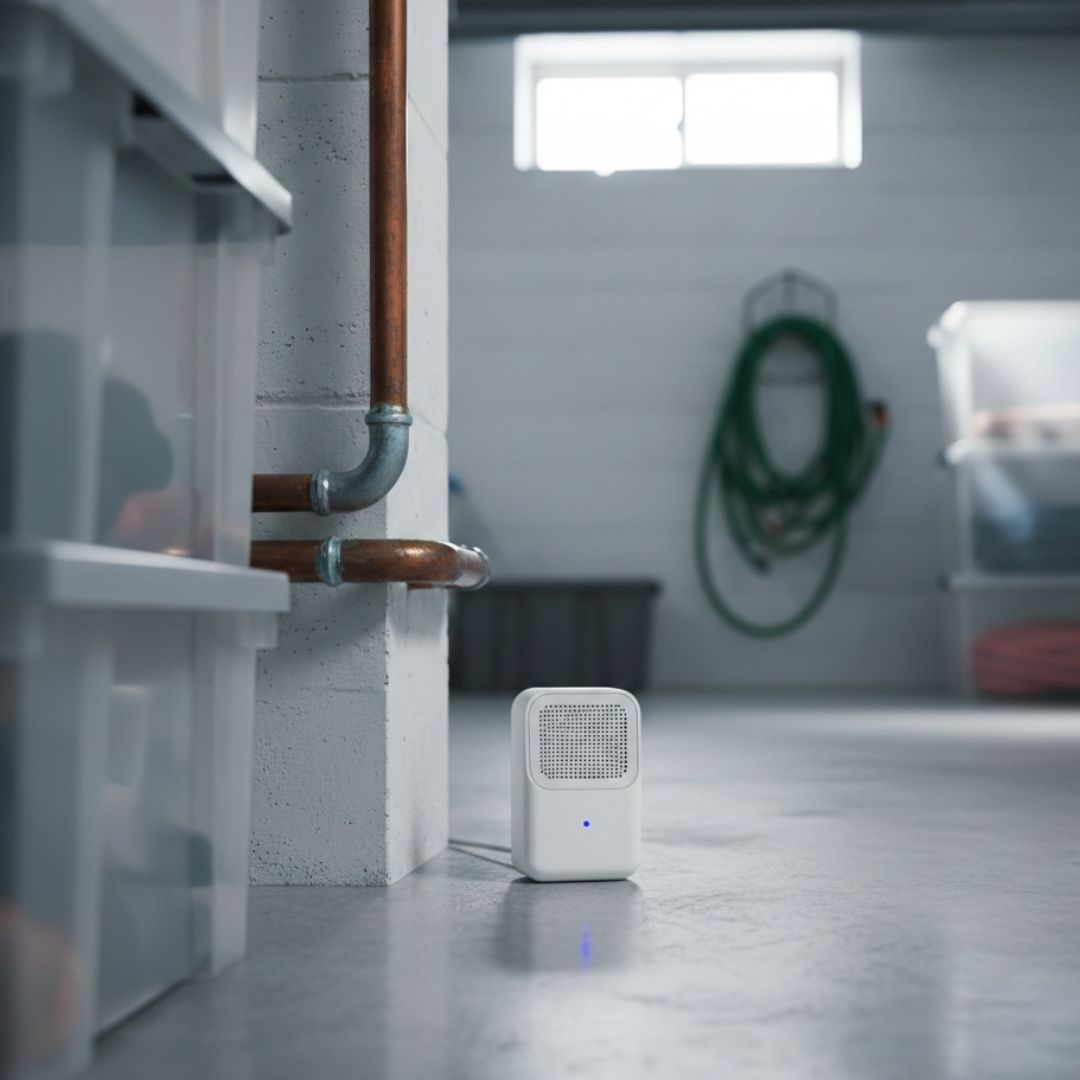
Wisconsin law requires a functional carbon monoxide detector in the basement and on each floor level, except the attic, garage, or storage areas, in dwellings that have an attached garage, a fireplace, or any fuel-burning appliance. The requirement does not apply to a dwelling that, when originally constructed, had none of those things.
In practical terms, if you have a gas furnace, gas water heater, gas range, fireplace, or an attached garage, you are required by Wisconsin law to have CO detectors. That covers the overwhelming majority of homes in this area.
The basement is the critical location. It's where most fuel-burning appliances live, and where CO is most likely to accumulate first. From there, a detector on each habitable floor level ensures coverage throughout the home.
CO is colorless, odorless, and tasteless. As a paramedic, I can tell you that the symptoms, headache, fatigue, nausea, and confusion, are easy to attribute to almost anything else. People sleep through CO exposure. They don't wake up. A detector is the only way to know.
Combination smoke and CO units are permitted under the Wisconsin code and are a practical solution in many homes. One device, two protections, fewer batteries to track.

gress paths, can you get out, and can we get to you?
An egress path is any route out of the home during an emergency. Front door, back door, bedroom windows. I walk every one of them. Is the path clear? Is the hallway wide enough to navigate quickly in the dark? Can a window be opened by someone with limited hand strength? Is there a deadbolt that requires a key that might not be within reach at 2 a.m.?
For older adults aging in place, this assessment goes deeper because the margin for error is smaller.
Clear paths, good lighting, and a practiced plan make a measurable difference in outcomes. That's not speculation. That's what nearly twenty years of emergency response teaches you.
But there's a harder conversation I have with some clients, and I'd rather have it here than avoid it.
Stairs are one of the leading causes of fall-related injury and death in older adults. If you or someone you love has limited mobility, whether from age, a recent health event, or a condition that affects balance or strength, living on a floor that requires daily stair use is a risk worth taking seriously. Every trip up or down is an opportunity for a fall. Every fall at that stage of life carries consequences that a fall at forty simply doesn't.
My recommendation, and I give it plainly because I think people deserve straight answers, is this. If mobility is declining, the bedroom and primary living space should be on the same level as the main entrance. If that's not possible in the current home, it's worth an honest conversation about whether that home is still the right fit, whether that means a first-floor addition, a stair lift, or downsizing to a smaller single-level home that's easier to navigate, easier to maintain, and easier for emergency services to work in.
Downsizing isn't a step backward. For a lot of people, it's one of the smartest decisions they make, lower maintenance, lower cost, and a home that actually works for the life they're living now, rather than the life they were living twenty years ago.
I raise this not to push anyone toward a decision they're not ready for, but because I've responded to enough stair falls to know what the alternative looks like. My job is to give you the information. What you do with it is entirely your call.
Why I started doing this as a business
Every one of these things, the detectors, the egress paths, the kitchen setup, the electrical panel, the documents on the refrigerator, can be identified, addressed, and documented before anything goes wrong. That's the entire premise behind Rockwell Home Management.
I spent my career showing up after the fact. I started this company so I could show up before.
The families I work with are older adults who want to stay in their homes safely and on their own terms, and the adult children who love them and can't always be there. My job is to be the set of eyes they need, trained, systematic, and honest.
What you can do right now
Start with the basics.
Make sure your address numbers are large, visible from the street, and high-contrast. Test your smoke detectors and replace any that are more than ten years old. Confirm you have working CO detectors if you have any fuel-burning appliances or an attached garage. Check that extension cords aren't overloaded, especially any connected to space heaters. Walk your egress paths and remove any obstructions. Make sure your DNR, medication list, and allergy list are current and on the refrigerator where first responders will look.
If you'd like a professional to walk you through and provide a comprehensive written assessment, that's exactly what our Home Safety and Readiness Audit is designed for.
It's a 90-minute on-site safety consultation covering your home from the front entrance to the utility room. You'll receive a written report with findings, recommendations, and a clear picture of where your home stands. The cost is $150.
No sales pressure. No obligation beyond the audit itself. Just an honest assessment from someone who has spent a career in fire and emergency services and built a company around making sure families don't have to learn these lessons the hard way.
To schedule your audit, contact us at info@rockwellhomemanagement.com or call 715-255-0235.